
Housing need
Your current housing may be unsafe, overcrowded, inaccessible, temporary, or unaffordable.
Home Ownership
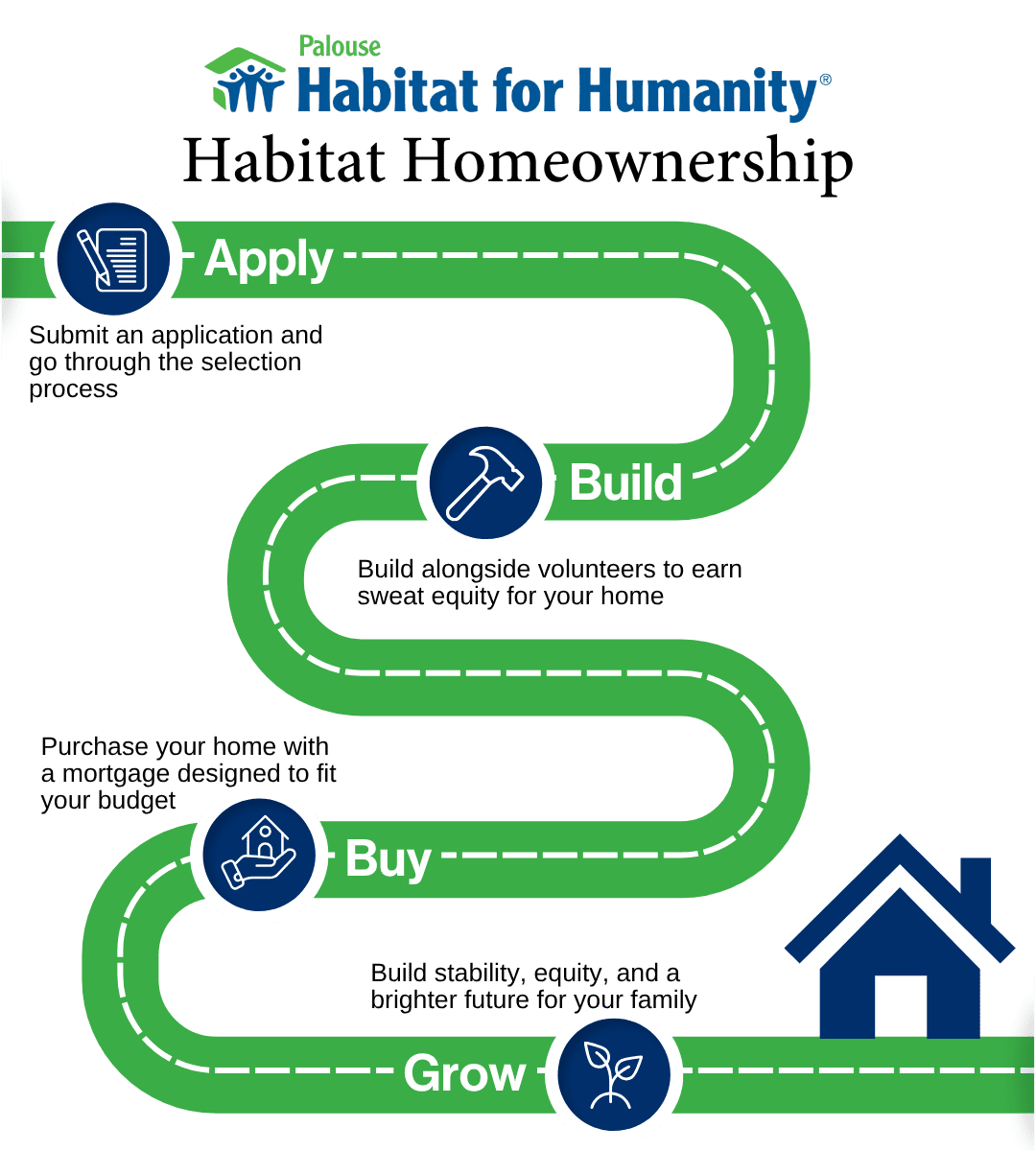
Habitat homes are not free. Qualified households partner with Palouse Habitat, complete sweat equity, and purchase a home with an affordable mortgage.
Applications are usually accepted during a limited fall cycle. The interest form is available year-round.
Application details
Palouse Habitat builds where affordable or donated land is available in Latah County, Idaho, and Whitman County, Washington. The Site Selection Committee determines the location. The Homeowner Selection Committee runs the screening process and recommends an applicant to the Board of Directors. The full process can take more than a year from start to finish.
A complete application with supporting documents, including the two most recent months of bank statements and pay slips and two years of taxes. The form asks for all income and expenses and a statement outlining housing need. If the initial requirements are met, Palouse Habitat pulls a credit report, runs a background check, and interviews landlords and employers.
The three main criteria are ability to pay, need for housing, and willingness to partner. Applicants must currently live in Whitman or Latah County, live in inadequate housing, and be willing to complete 300 to 500 hours of sweat equity. Income must fall within 30 to 80% of Area Median Income for Latah and Whitman Counties. The exact range changes each year and by household size.
Income may include annual or seasonal employment, disability, child support, food stamps, and other government assistance. Employment must be reasonably expected to continue for two years. Income dedicated to a specific purpose, such as food stamps, cannot be counted when calculating the debt-to-income ratio.
There is no application fee. Future homeowners are asked to save a share of closing costs and contribute $1,000 toward those costs, which can be saved in monthly payments during the build.
Palouse Habitat escrow payments are set based on 30% of the homeowner’s gross monthly pay at the time of application. The application packet contains additional details.
Habitat homeowners complete 300 to 500 hours, depending on the number of adults in the household, helping build the home. Most hours are completed on the build site, but homeowners may also volunteer at the ReStore or elsewhere with Habitat or the community. Household members age 16 and older may help, and some hours may be donated by friends, family, or coworkers.
Palouse Habitat works with future homeowners to identify volunteer opportunities suited to their abilities and to accommodate disabilities or physical limitations.
three-part eligibility
Meeting the basics is the start of a full review, not a promise of selection.
Your current housing may be unsafe, overcrowded, inaccessible, temporary, or unaffordable.
Stable income must support an affordable mortgage and total debt ratio no higher than 43 percent.
Households complete education, participate in the process, and contribute 300 to 500 sweat-equity hours.
2026 income guidance
These public ranges are one part of qualification. Income must be stable and reasonably expected to continue. Debt, credit history, housing need, and program capacity are reviewed separately.
Habitat homes are purchased, not given away. Palouse Habitat sets escrow payments based on 30% of the homeowner’s gross monthly pay at the time of application, and future homeowners contribute $1,000 toward closing costs.
Palouse Habitat does not require a specific credit score or a perfect credit history. It cannot partner with applicants who have filed bankruptcy within the past three years, have more than $2,000 in charge-offs, or would exceed a 43% debt-to-income ratio with a Habitat home added to their expenses. Call (208) 883-8502 if you are unsure where you stand.
Full applications are accepted during a one-month window each fall, typically the last week of August through the first week of October. The interest form is open year round.
Effective-year figures can change. Confirm current guidance before applying.
| Household | Minimum | Maximum |
|---|---|---|
| 1 person | $20,685 | $55,160 |
| 2 people | $23,640 | $63,040 |
| 3 people | $26,595 | $70,920 |
| 4 people | $29,550 | $78,800 |
| 5 people | $31,914 | $85,104 |
| 6 people | $34,278 | $91,408 |
| 7 people | $36,642 | $97,712 |
| 8 people | $39,006 | $104,016 |
what happens next
Complete the interest form to receive information when the next application cycle opens.
Income, debt, credit history, and the future affordable mortgage are reviewed together.
Current housing conditions, cost, crowding, safety, or other qualifying need is considered.
Selected households complete education and 300 to 500 hours of sweat equity.
Homeowner Application Interest Form
This is not the full application. It puts you on the list to receive the application packet when the fall cycle opens, and the outreach team can answer questions in the meantime. If you cannot use the form online, the office can help you complete it.
Access matters
If an online form, printed material, disability, language need, or other barrier makes the process harder, call the Habitat office for assistance or an accommodation.
Call (208) 883-8502Already own your home?
Ramps and Rails focuses on wheelchair ramps, steps, porches, and railings. Other home-repair options are reviewed separately.
See repair resourcesMore resources
Program guide, homeowner stories, project map, and home history.
Complete application, eligibility, and partnership information.
Open resourceEvery home Palouse Habitat has built locally and the families who worked on them.
Open resourceExplore Palouse Habitat projects across Latah and Whitman Counties.
Open resourceAlready own your home? Explore exterior accessibility repair help.
Open resourceAnswers about Habitat homes, mortgages, volunteering, giving, and the affiliate.
Open resourceLearn how the local affiliate builds and repairs homes in Latah and Whitman Counties.
Open resourceAsk for help with the form, application timing, or the selection process.
Open resourcefamilies who built
Every Palouse Habitat home is built by a local family, hundreds of volunteers, and an affordable mortgage. These are three of them.
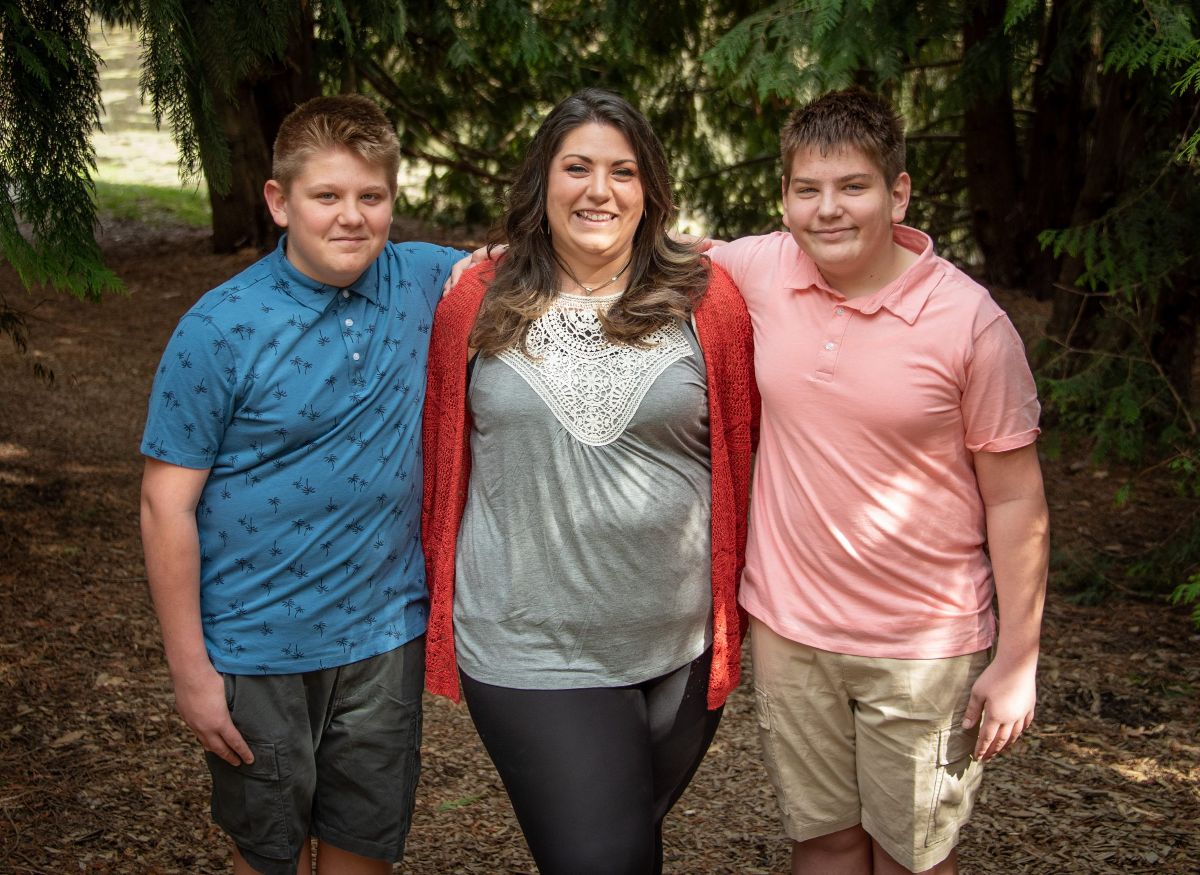
Aimee Martinez, a Moscow native and at-home health care provider, and her twin sons partnered on Palouse Habitat’s 22nd home, breaking ground in 2022.
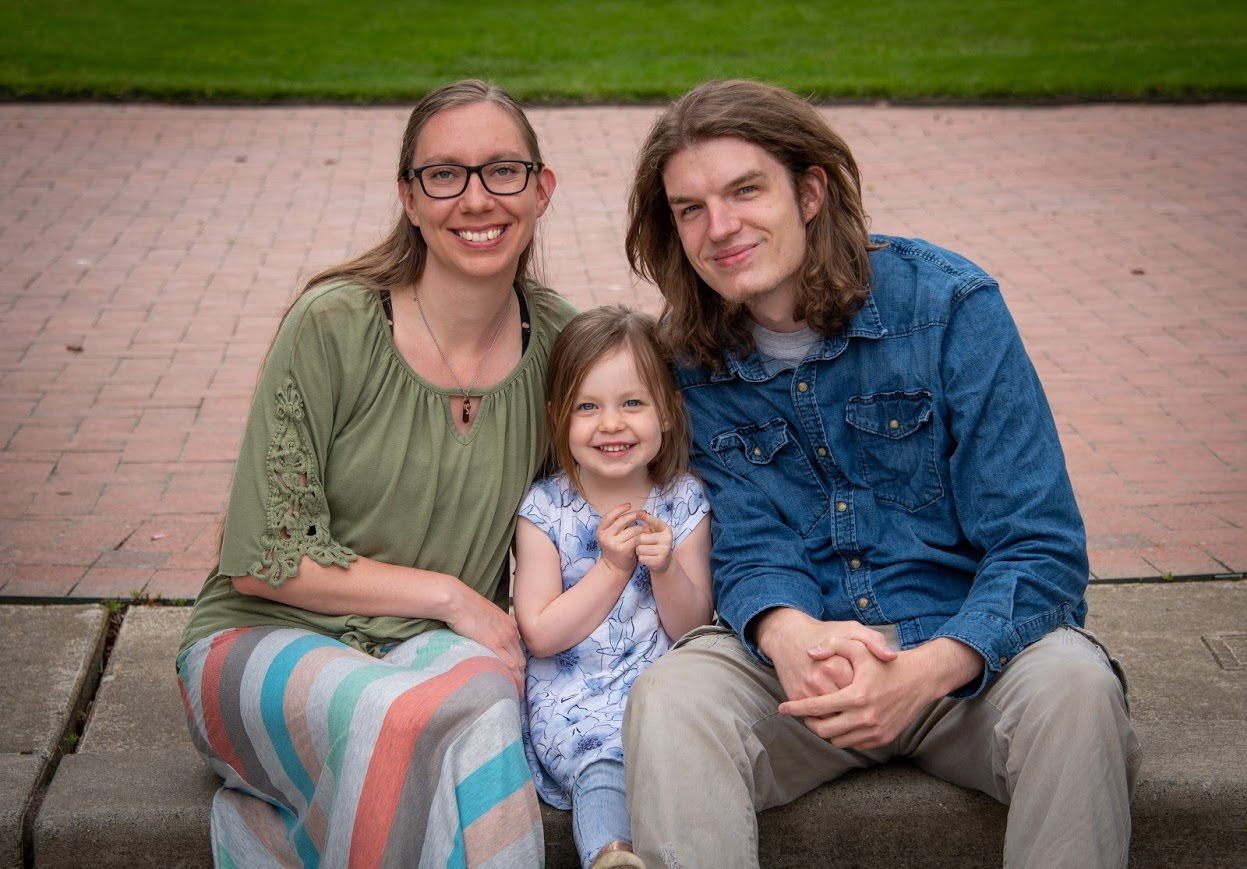
Kelcey and Breanne Leaseburg and their daughter Alora completed more than 300 hours of sweat equity on a home built largely alongside the volunteer Codger Crew.
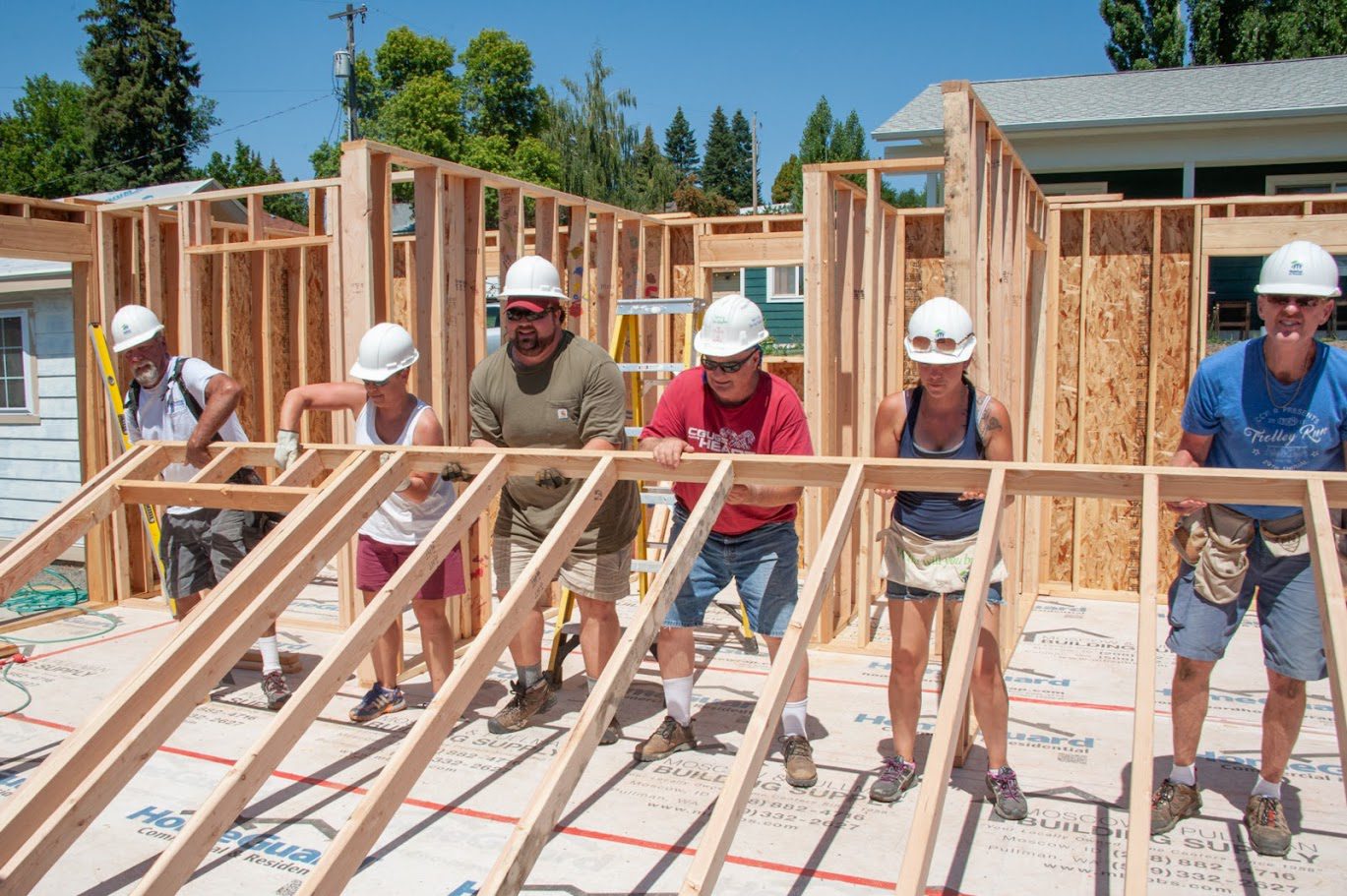
Janelle and her three children helped raise the walls of their own home, dedicated in March 2019 on Ponderosa Drive in Potlatch.
Start before the cycle opens
Receive next-cycle information and learn what to prepare before a full application is released.